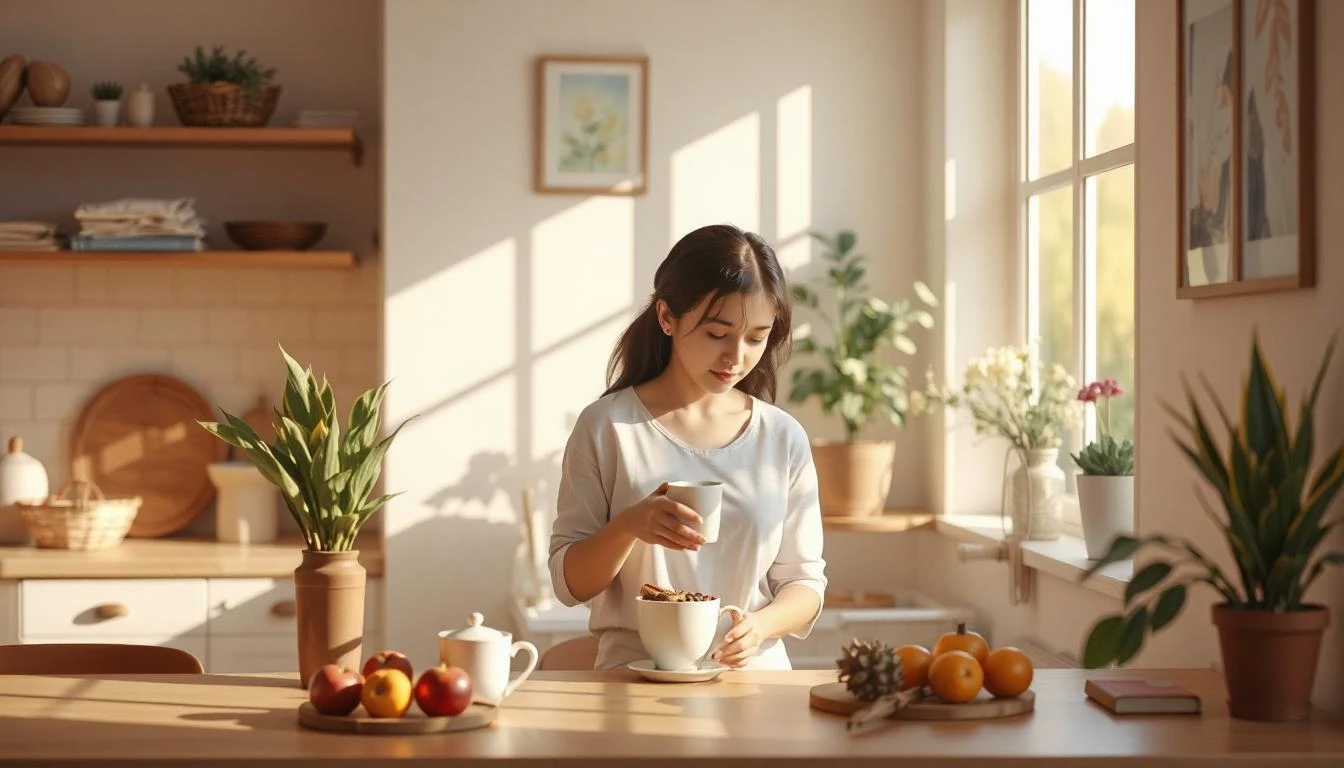
Realistic Self Healing Without Toxic Positivity

There was a time when healing advice sounded simple. Stay positive, think happy thoughts, wake up early, and suddenly life would feel lighter. But many people are now realizing that emotional recovery is far more complicated than motivational quotes on social media. Behind perfectly curated wellness routines, countless individuals still feel emotionally exhausted, mentally overwhelmed, and disconnected from themselves. That growing frustration is exactly why honest conversations around healing are becoming more important in modern lifestyle culture.
In today’s fast-moving digital world, more people are searching for practical self healing techniques for emotional recovery that feel realistic instead of performative. Constant pressure to appear strong, productive, and emotionally stable can quietly create deeper burnout over time. As psychologist Dr. Susan David once explained, “Discomfort is the price of admission to a meaningful life.” That perspective resonates strongly today because healing is no longer about pretending everything feels okay. It is about learning how to process emotions honestly without shame or denial.
The Shift Away From Toxic Positivity Culture
The modern wellness conversation has started moving away from forced optimism and unrealistic positivity. More people now understand that emotional healing cannot happen through emotional suppression alone. This cultural shift has opened the door to realistic approaches to self healing and resilience, especially for individuals who feel tired of being told to just stay positive during difficult moments.
Why forced motivation feels emotionally exhausting
Motivational culture can sometimes become emotionally draining instead of empowering. Endless advice about success, happiness, and positivity often ignores the reality that people experience sadness, anxiety, disappointment, and emotional fatigue naturally. When difficult emotions are constantly dismissed, individuals may begin feeling guilty simply for struggling. Psychiatrist Dr. Gabor Maté has repeatedly discussed “how emotional suppression can contribute to long-term stress and burnout.” His work continues to influence modern conversations around emotional awareness because many individuals are finally recognizing the psychological impact of ignoring their feelings for too long.
Social media pressure around fake happiness
Social media has transformed wellness into something highly visual. Morning routines, aesthetic journaling videos, productivity trends, and carefully filtered lifestyles can create unrealistic expectations around healing. People often compare their real emotions to someone else’s edited highlights, then feel like they are failing at recovery.
Accepting emotions without guilt or denial
One of the healthiest emotional shifts happening today is the growing acceptance of uncomfortable feelings. People are learning that emotions are not problems that must immediately disappear. Sadness, frustration, disappointment, and uncertainty are all part of being human.
Realistic Self Healing Habits In Daily Life
Healing becomes much more effective when it fits naturally into everyday routines. Instead of chasing dramatic overnight transformations, many people now prefer smaller habits that genuinely support emotional balance and mental stability over time. That realistic approach feels far more sustainable in modern life.
Setting boundaries for emotional recovery
Boundaries are becoming one of the most important parts of emotional wellness. Constant availability, social pressure, and digital overstimulation can slowly drain emotional energy without people realizing it.
Healing routines that feel natural and sustainable
Not every healing routine needs to look impressive online. Some of the most effective habits are surprisingly ordinary. Drinking enough water, getting consistent sleep, taking quiet walks, journaling thoughts, or spending time away from constant notifications can gradually improve emotional balance.
The importance of rest without productivity pressure
Modern hustle culture has convinced many people that rest must always be “earned.” Unfortunately, this mindset often creates guilt around slowing down, even when the body and mind are clearly exhausted.
Honest Wellness Trends People Relate To
Wellness culture is becoming more honest because audiences are craving authenticity over perfection. Instead of chasing impossible standards, people now want emotional transparency, realistic healing conversations, and practical routines that actually feel achievable in everyday life.
Authentic healing stories gaining online attention
People naturally connect with stories that feel real. This is why creators openly discussing burnout, therapy, anxiety, grief, or emotional struggles are gaining stronger engagement online. Honest healing journeys feel relatable because they reflect real human experiences instead of polished perfection.
Quiet recovery routines replacing hustle culture
A growing number of individuals are intentionally moving toward slower lifestyles. Quiet routines such as reading, walking, cooking calmly, reducing digital noise, or spending time alone are becoming increasingly popular forms of emotional recovery.
Emotional awareness through simple self reflection
Self-reflection remains one of the most underrated healing practices. Taking time to understand emotional patterns can help individuals build stronger emotional intelligence and healthier coping habits. Simple reflective questions often create meaningful clarity. What situations consistently create emotional exhaustion? Which habits improve mental calmness? What emotional triggers continue appearing repeatedly?
Start Your Healing Journey With Realistic Habits
At the end of the day, healing does not need to look aesthetic, perfect, or constantly inspiring to matter. Some of the most meaningful emotional recovery habits are quiet, repetitive, and deeply ordinary. Real growth often begins the moment you stop performing wellness for other people and start paying attention to what genuinely helps your mind feel calmer and safer. The truth many people are finally discovering is that emotional healing is not about becoming positive every second of the day. It is about becoming emotionally honest with yourself without fear or guilt.
Small habits, slower routines, healthy boundaries, and self-awareness may not always look dramatic online, but they often create the strongest long-term emotional resilience. If you have been feeling emotionally overwhelmed, mentally exhausted, or pressured to always appear okay, this may be the right moment to approach healing differently. Start slowly, stay realistic, and allow yourself to recover without pretending that every difficult emotion must immediately disappear.