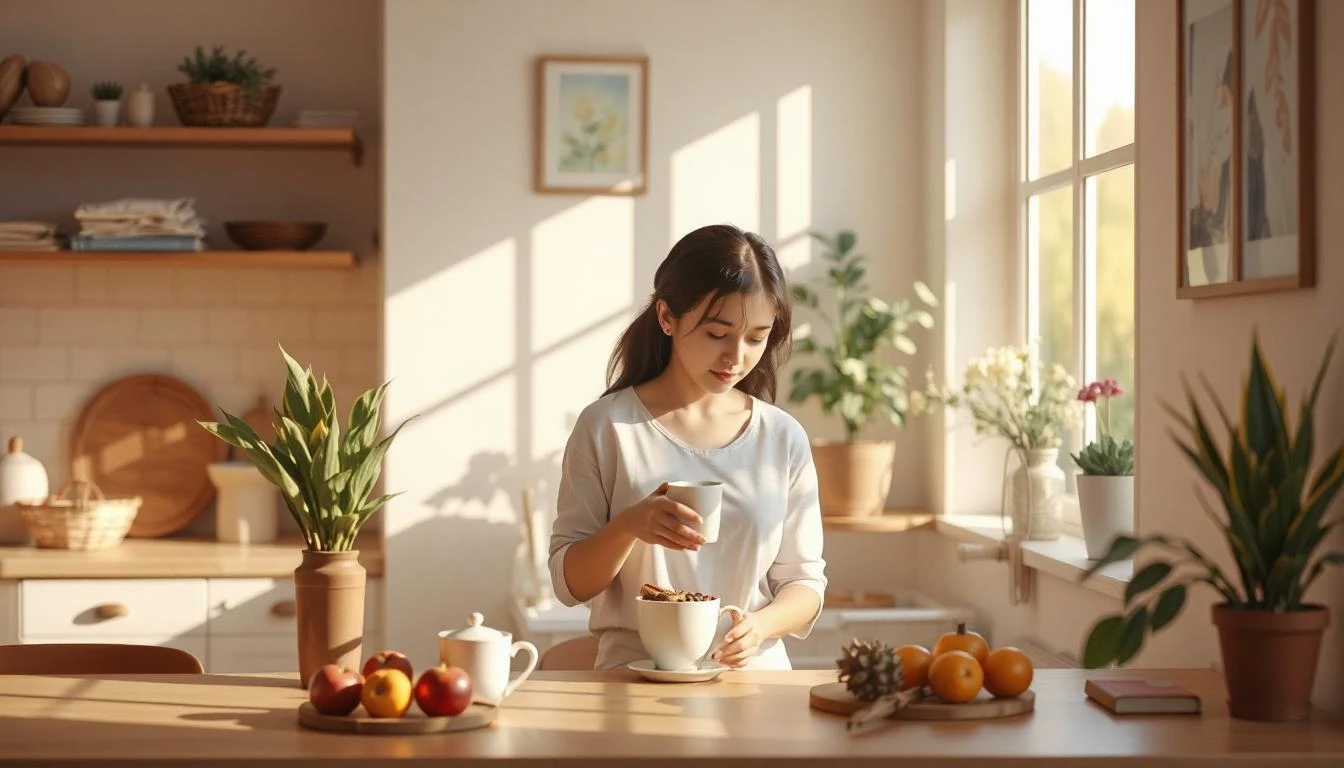
Tiny Daily Habits That Change Your Mood
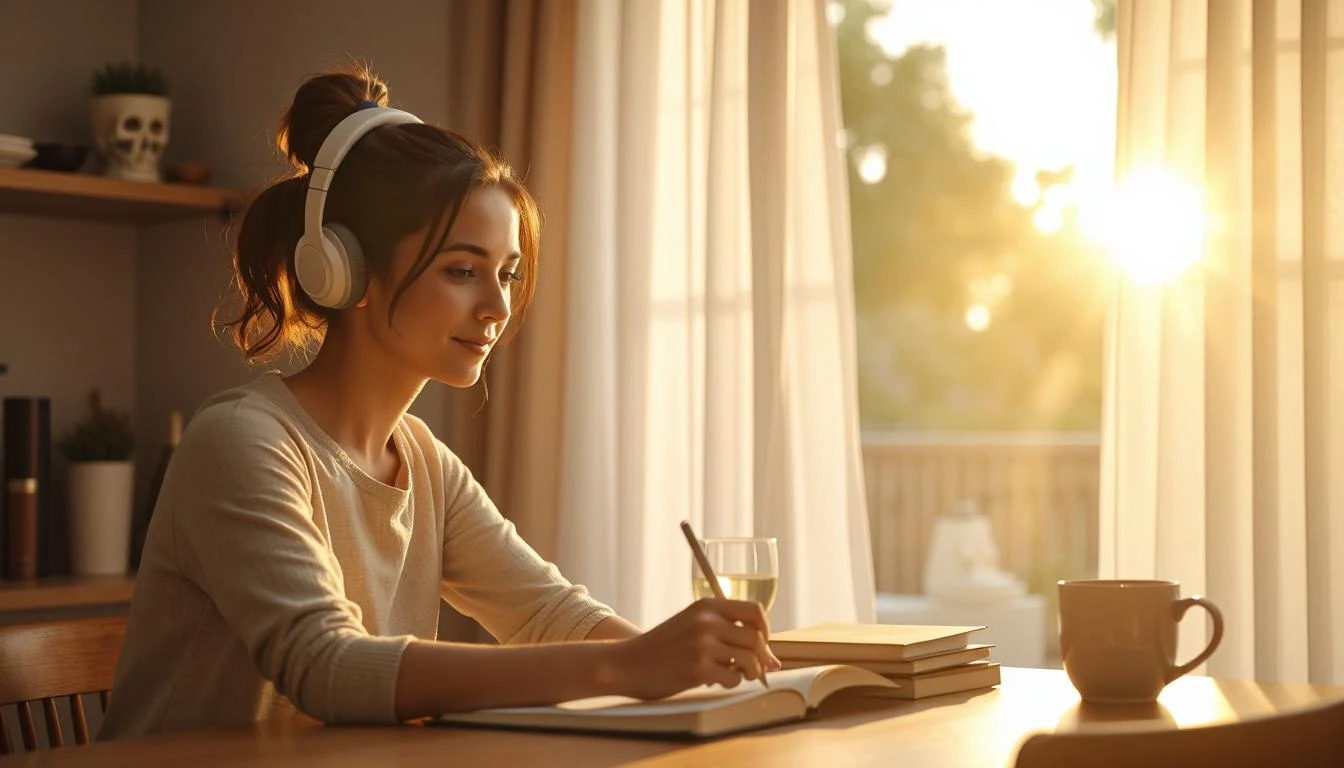
Modern life is strange sometimes. People spend hours watching productivity videos, buying expensive self-care products, and searching for instant happiness while ignoring the tiny habits quietly shaping their emotions every single day. In reality, emotional balance often comes from small routines that look almost insignificant at first glance. Simple actions like opening the window in the morning, drinking water before coffee, or taking a short walk without checking notifications can slowly create a calmer and healthier mindset.
Recent wellness discussions and behavioral studies continue to show that small daily routines for emotional wellness can improve focus, reduce emotional exhaustion, and help people feel mentally lighter throughout the day. Instead of forcing dramatic lifestyle changes, many people now prefer realistic habits that feel easier to maintain long term. Small actions repeated consistently often create stronger emotional results than temporary motivation or extreme routines that quickly become overwhelming.
Why Tiny Habits Influence Daily Emotions
Modern routines are becoming faster, louder, and more digitally exhausting than ever before. Many people wake up already overwhelmed by notifications, endless scrolling, and constant pressure to stay productive. That emotional fatigue does not always come from major life problems. Sometimes, it grows quietly from unhealthy daily patterns repeated without awareness. Because of this shift, more people are now searching for tiny habits that improve mood naturally as a realistic way to restore emotional balance without creating additional stress or unrealistic expectations.
Small routines that improve mental stability
Simple routines like making the bed, stretching for a few minutes, or stepping outside for fresh air can create a surprising sense of control and stability. These tiny actions help signal safety and structure to the brain, especially during stressful or emotionally draining periods. Author and behavioral expert James Clear once explained that “small habits matter because they gradually shape identity over time.” Tiny routines may appear ordinary, but they quietly influence emotional resilience and mental consistency in powerful ways.
The science behind consistent positive actions
The human brain naturally adapts to repeated behaviors through a process called neuroplasticity. When positive routines are repeated consistently, the brain slowly builds stronger emotional patterns that support calmness, focus, and stability. According to Dr. Laurie Santos from Yale University, “long-term happiness is often more connected to daily behaviors than major achievements or material success.” That idea explains why small lifestyle adjustments can create such meaningful emotional changes over time.
Why simple changes feel easier to maintain
Large lifestyle changes often fail because they create mental pressure and unrealistic expectations. Small habits feel easier because they do not demand immediate perfection. Instead, they allow people to improve gradually without emotional burnout.
Positive Daily Habits That Feel Realistic
Many people want to improve their mood, but they often follow routines that look perfect online while feeling impossible in real life. Sustainable emotional wellness usually comes from habits that feel flexible, realistic, and naturally enjoyable instead of emotionally exhausting. Lifestyle trends are also shifting away from nonstop productivity culture. More people now focus on building routines that support emotional peace rather than constantly trying to maximize efficiency every hour of the day.
Morning routines that support better moods
The way people begin their morning strongly affects emotional energy throughout the rest of the day. Checking social media immediately after waking up often floods the brain with stimulation before the mind has fully settled.
Staying hydrated and physically active
Dehydration can quietly affect focus, energy, and emotional stability without many people realizing it. Physical health and emotional health are deeply connected, even though they are often treated separately.
Organizing spaces for emotional comfort
Messy environments can increase mental overstimulation and make the brain feel emotionally crowded. Organizing small areas like a work desk, bedroom corner, or personal workspace can instantly create a greater sense of calm and comfort. Marie Kondo, the well-known organizing consultant from Japan, once explained that “the spaces surrounding people directly influence emotional clarity and peace of mind.” That perspective has helped mindful organization become an important part of modern emotional wellness trends.
Lifestyle Trends Focused On Emotional Balance
People are slowly becoming more aware that constant hustle culture is emotionally unsustainable. Instead of glorifying exhaustion and nonstop productivity, many individuals now prioritize routines that support long-term mental balance and emotional recovery. This cultural shift is also encouraging healthier lifestyle trends centered around mindfulness, offline hobbies, and stronger social connections.
Wellness stacking becoming popular online
Wellness stacking refers to combining several positive habits into one simple routine. Examples include drinking tea while journaling, walking while listening to mindfulness podcasts, or stretching during quiet morning moments. This trend continues growing online because it feels realistic and easy to integrate into busy schedules. Instead of adding pressure, wellness stacking allows self-care to feel more natural and enjoyable.
Healthy offline hobbies replacing doomscrolling
Many people are beginning to notice how excessive doomscrolling negatively affects mental health. Constant exposure to negative news, comparison culture, and endless content consumption often increases anxiety and emotional fatigue. As a result, offline hobbies like painting, gardening, reading physical books, cooking, and crafting are becoming popular again.
Community driven habits for emotional support
Healthy social interaction remains one of the strongest contributors to emotional well-being. Community-based activities like book clubs, exercise groups, volunteering, or local creative communities help people feel emotionally supported and less isolated.
Improve Your Mood With Better Everyday Habits
At the end of the day, emotional wellness rarely comes from dramatic overnight transformation. More often, it grows quietly through small routines repeated with consistency and awareness. Tiny habits may look ordinary, but they slowly shape emotional patterns, energy levels, and mental resilience in ways many people underestimate. The truth is that people often wait for motivation before improving their lives, even though meaningful change usually begins with simple actions repeated daily. A calmer morning, less screen time, more movement, cleaner spaces, and healthier routines can gradually transform emotional balance without forcing unrealistic perfection.